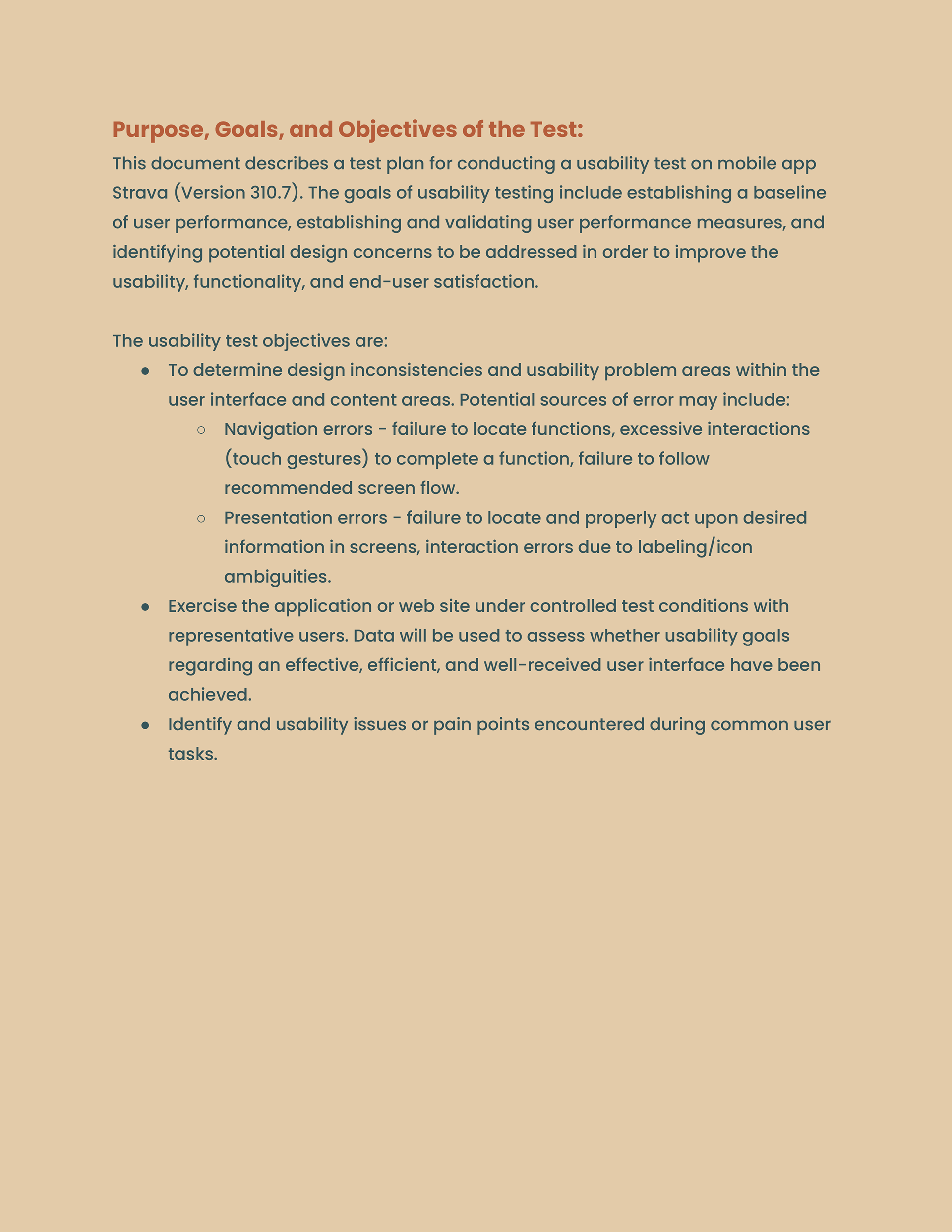
Usability Test Plan: Strava Mobile Application
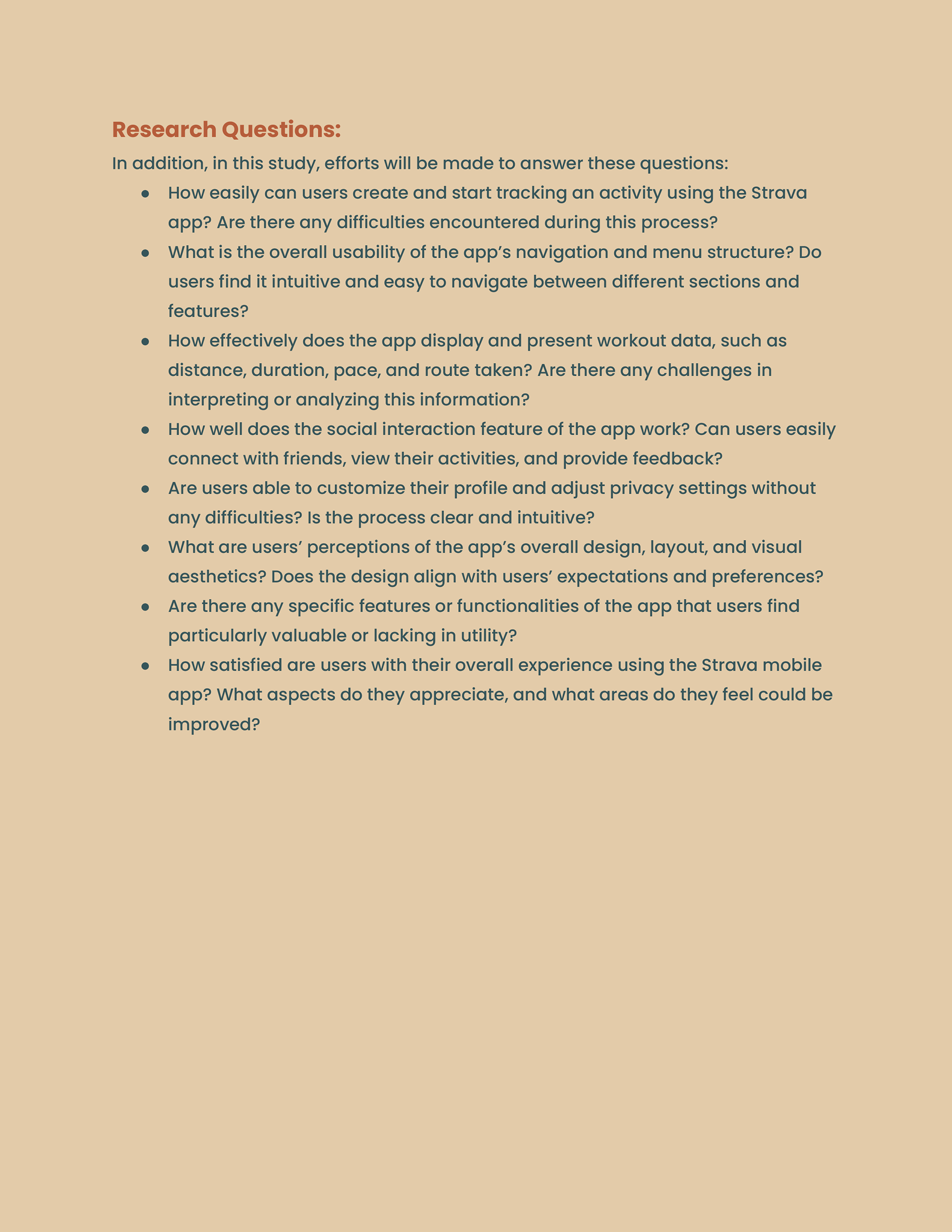
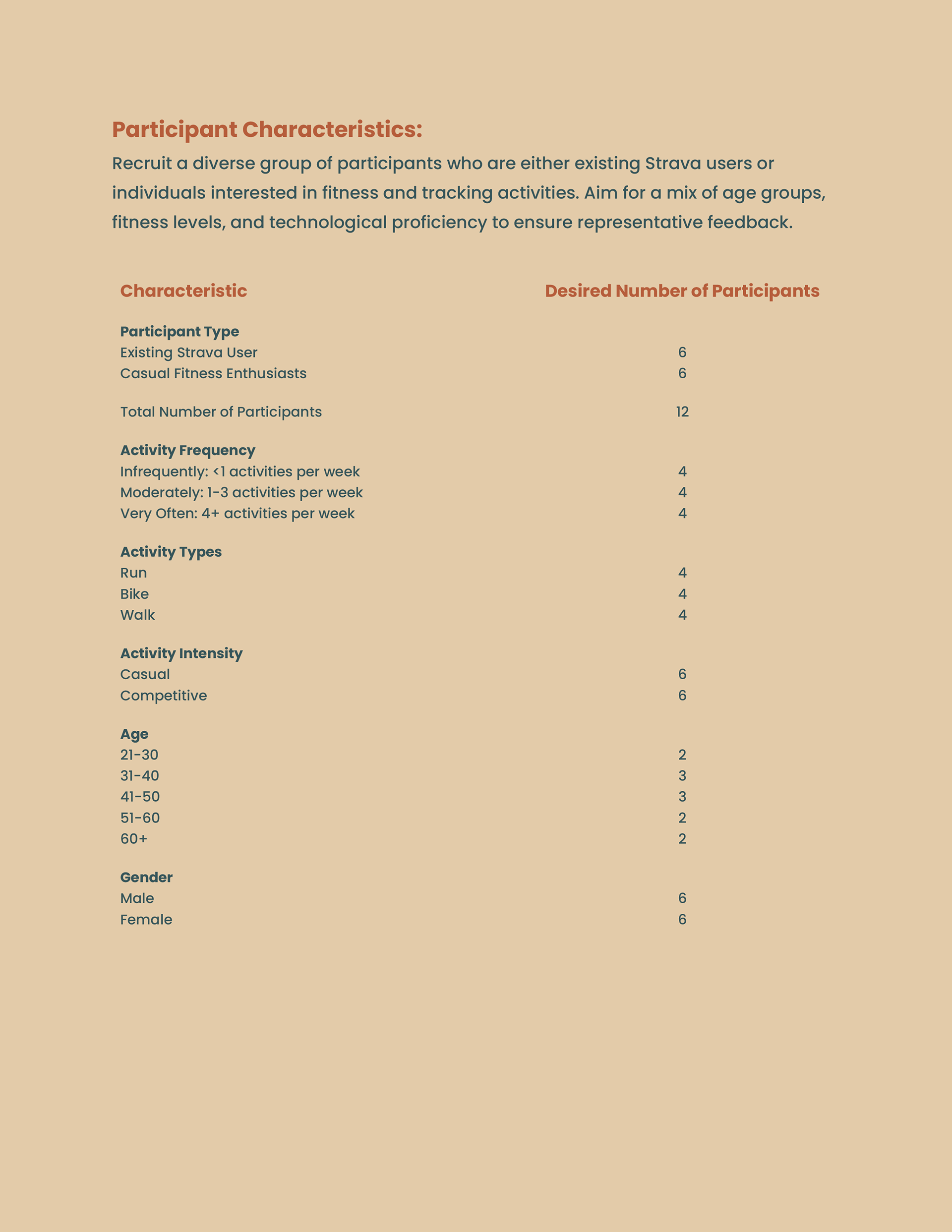
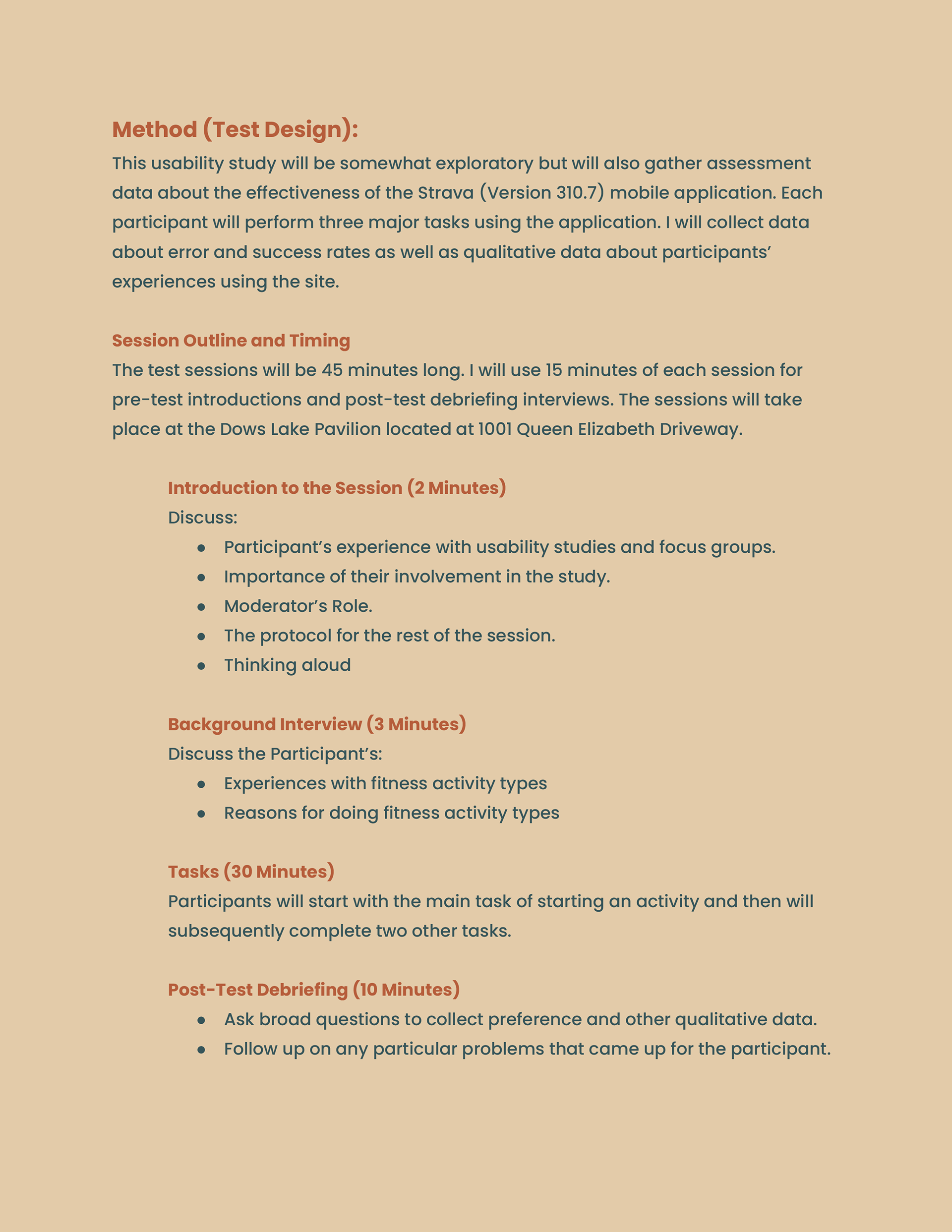
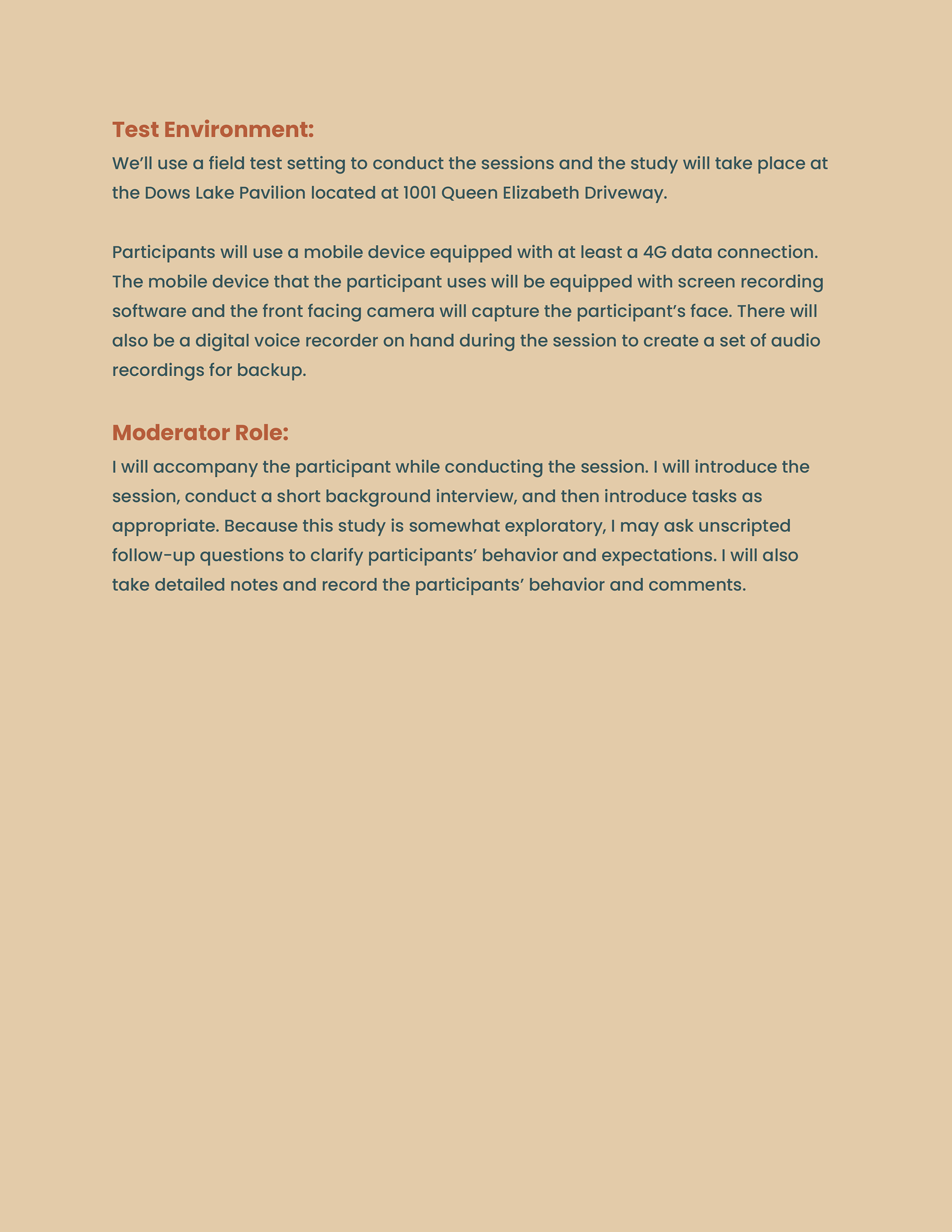
This work involved developing a comprehensive usability test plan for the Strava mobile application. The plan defined research goals, participant characteristics, test methods, task scenarios, and success criteria to evaluate navigation, activity tracking, data presentation, and social features. The study was designed to collect both qualitative and quantitative data to identify usability issues, assess user satisfaction, and inform actionable recommendations for improving the mobile user experience.
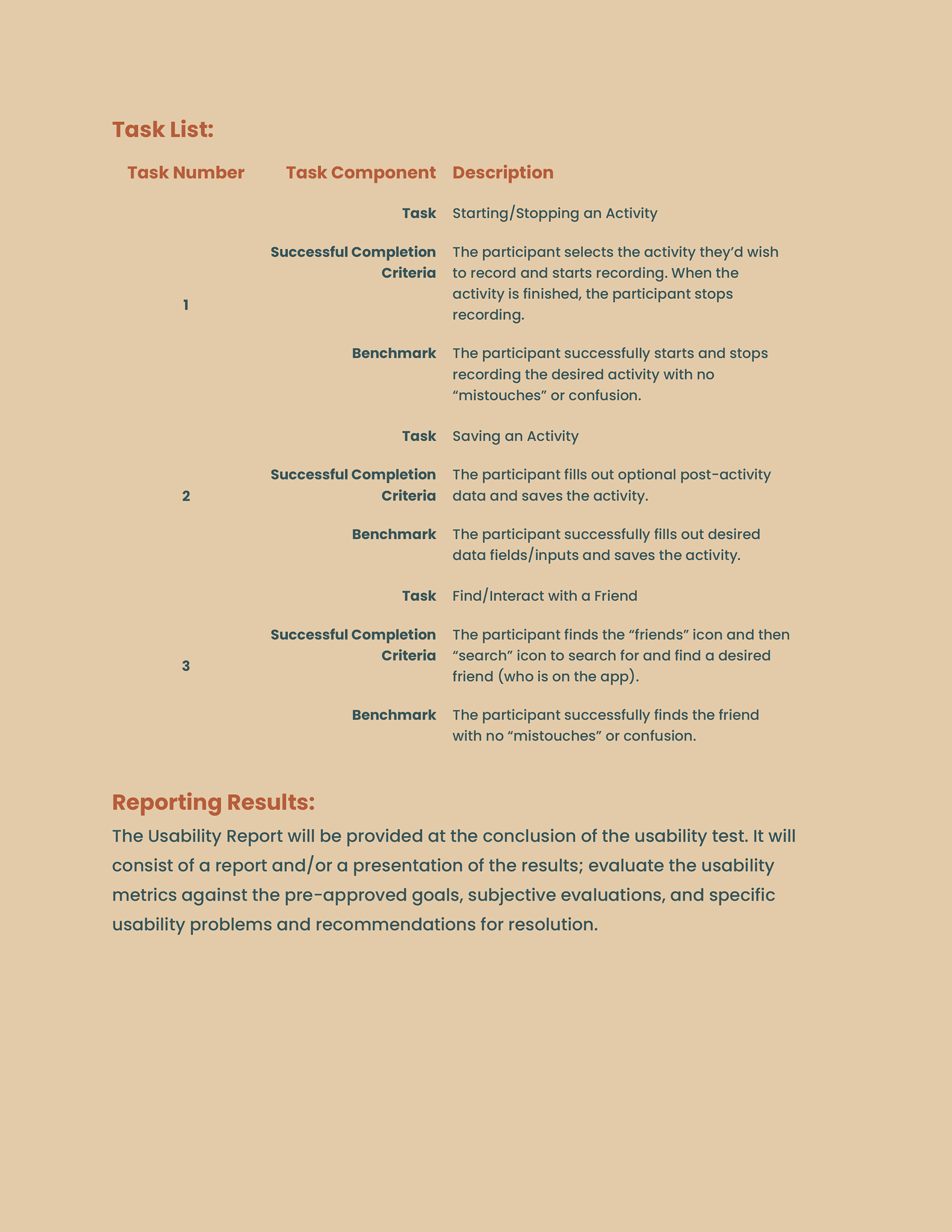
Usability Evaluation Tasks & Scenarios: Strava Mobile App
This work involved designing a structured set of evaluation tasks and scenarios to assess the usability of the Strava mobile application. The tasks guided participants through core workflows—including activity tracking, social interaction, challenges, and profile management—providing realistic context for usability testing and ensuring consistent, measurable evaluation of key features and user interactions.
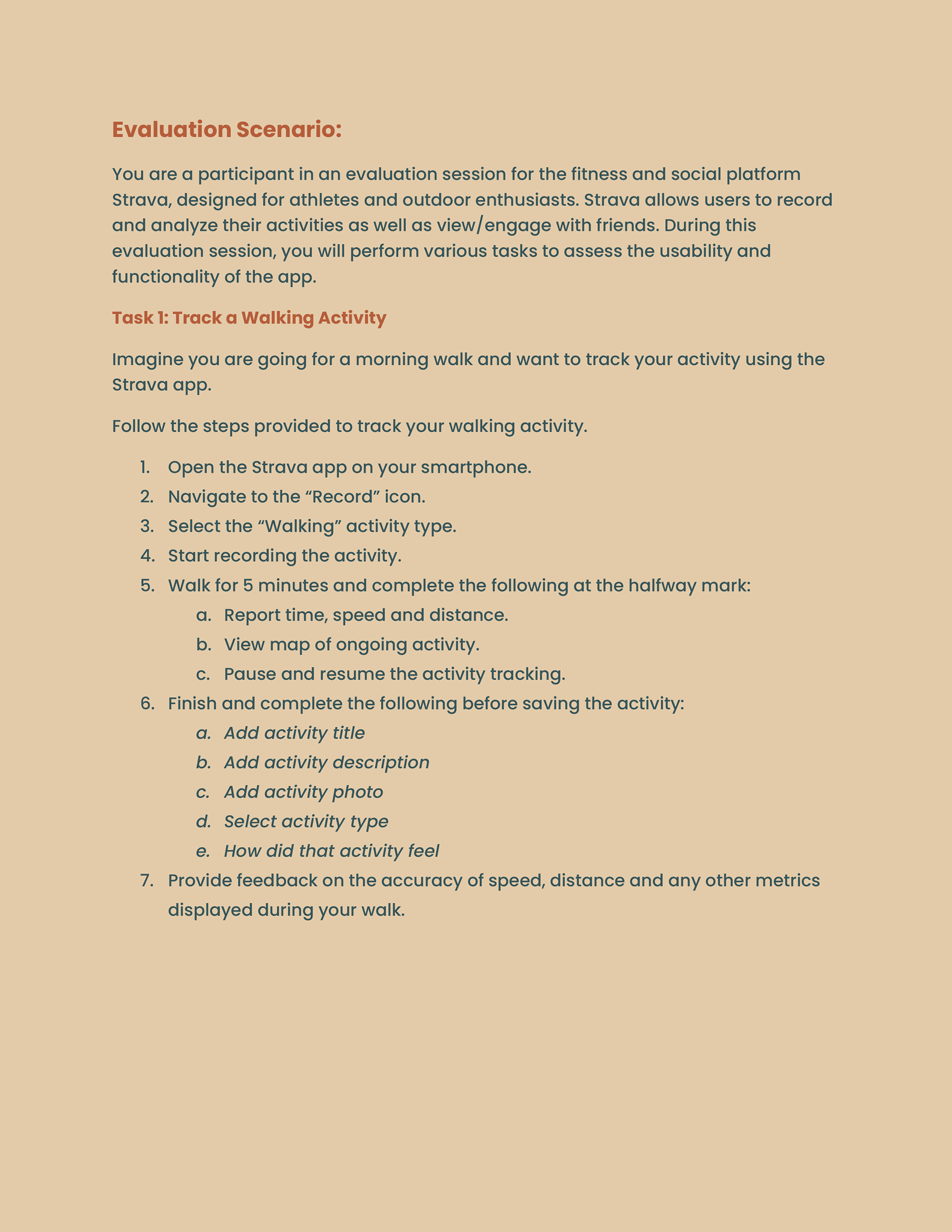
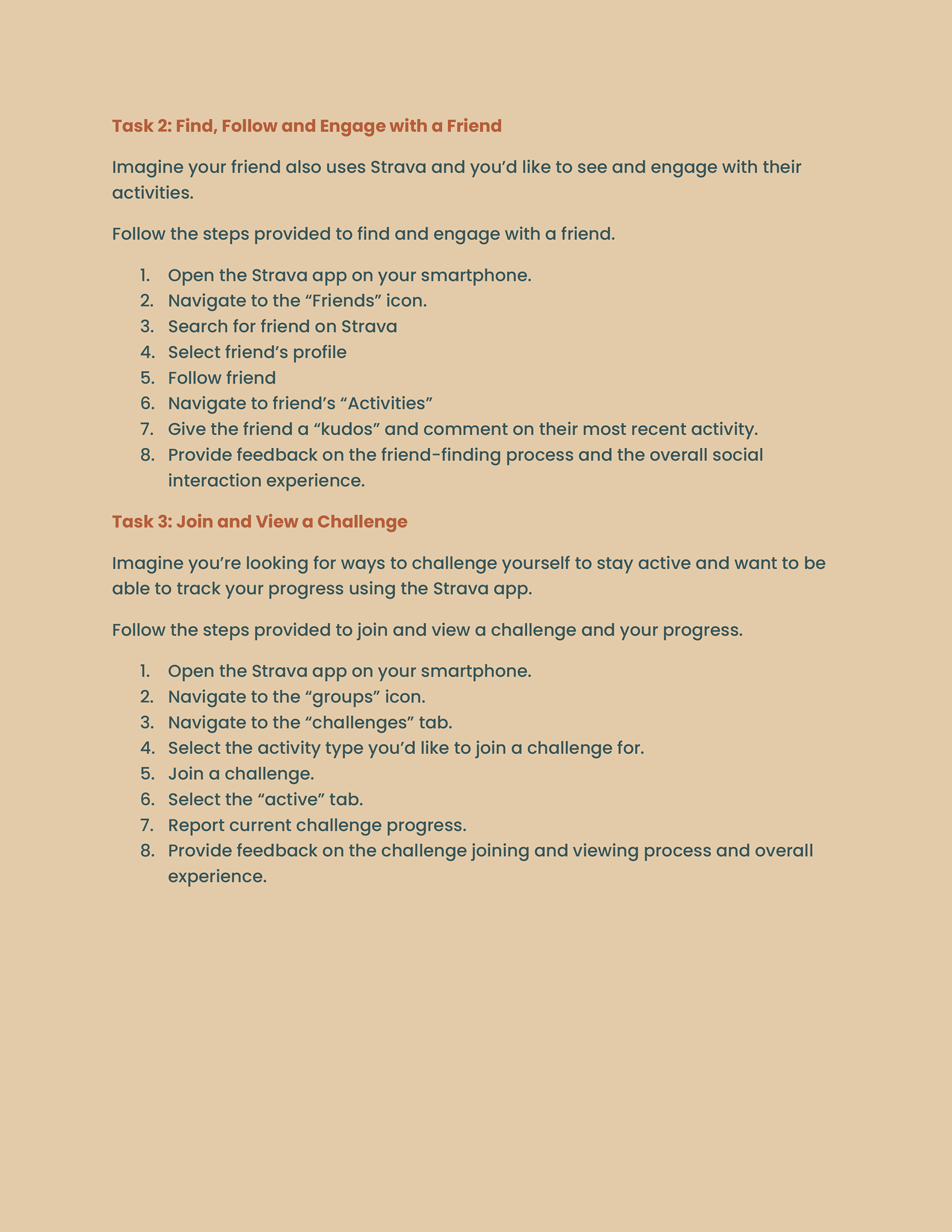
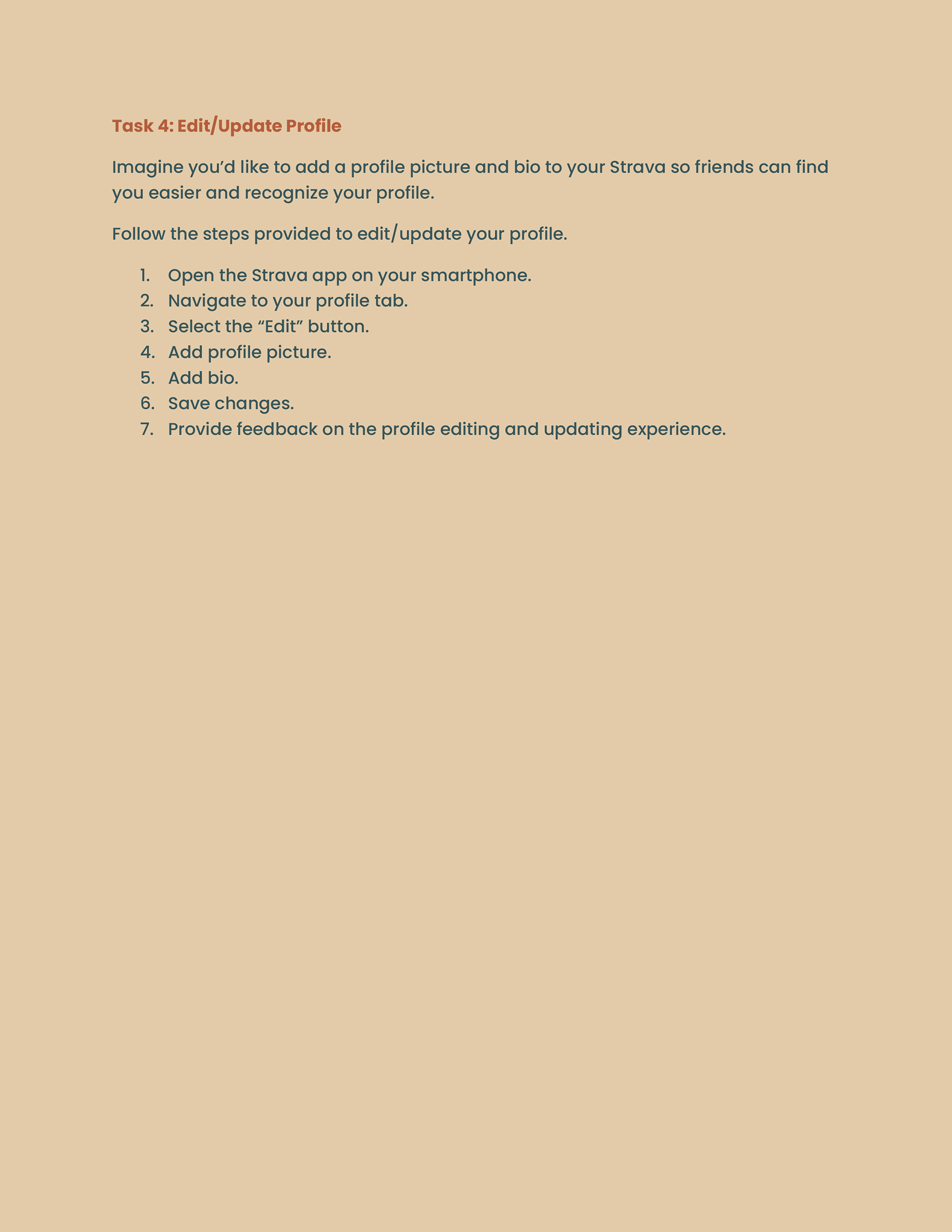
Heuristic Evaluation: Strava Mobile Interface
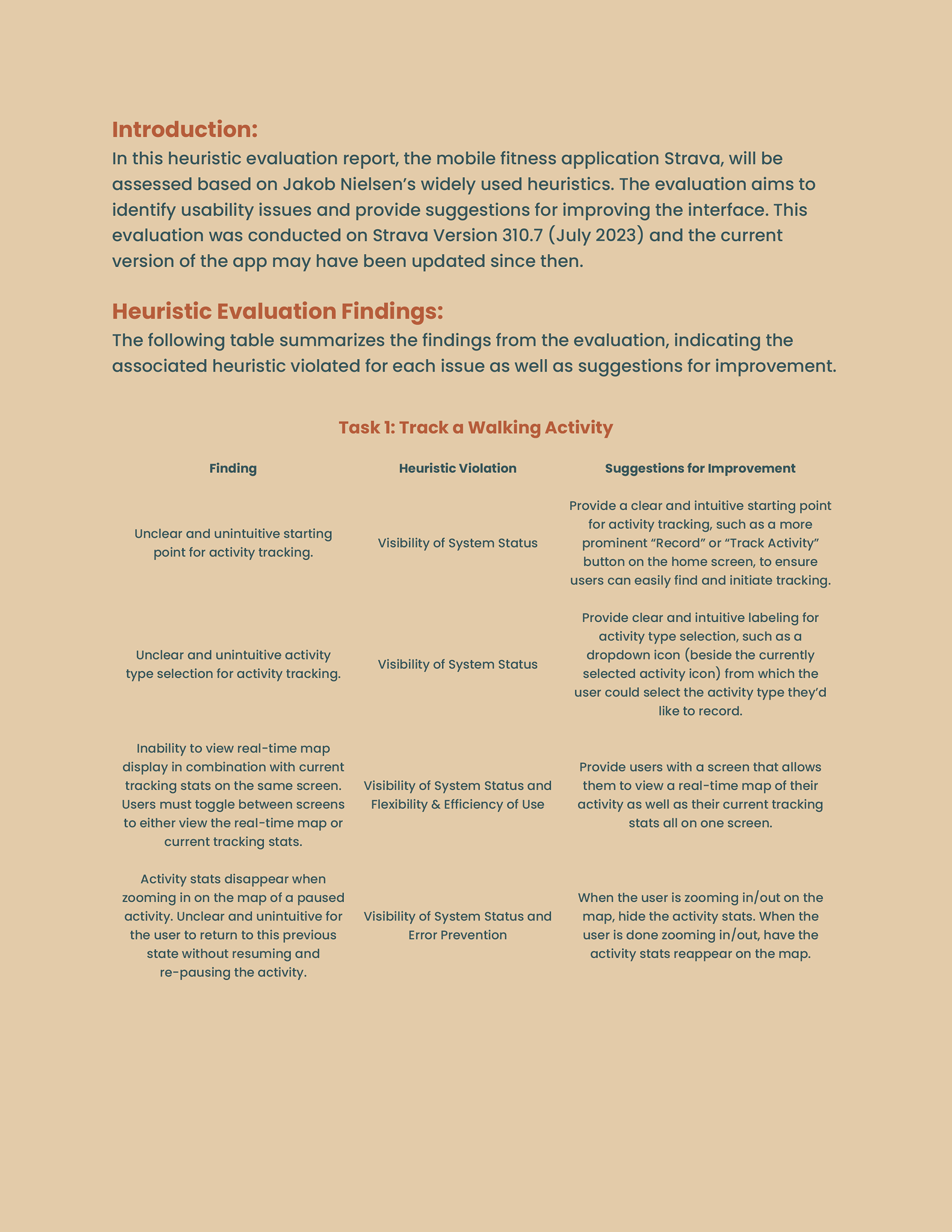
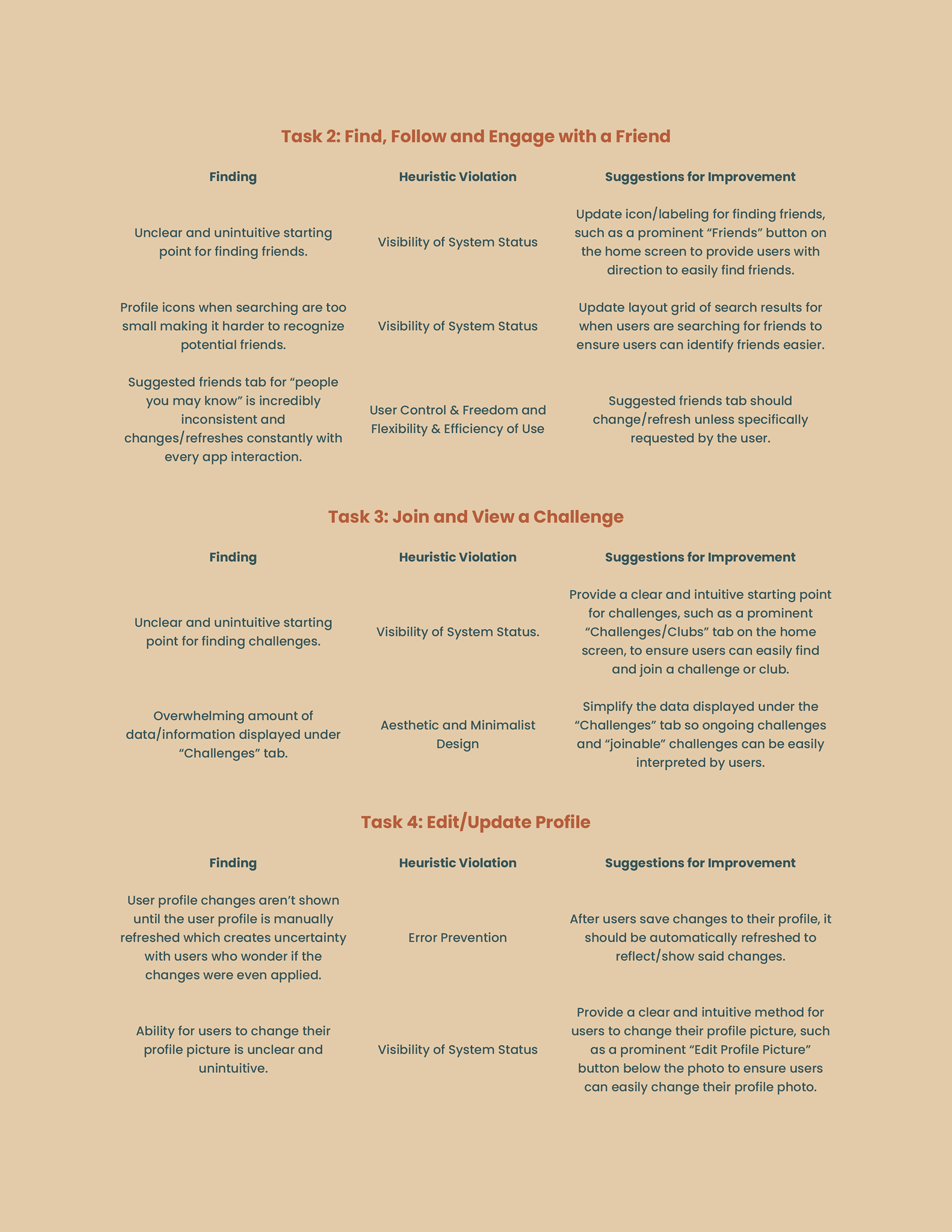
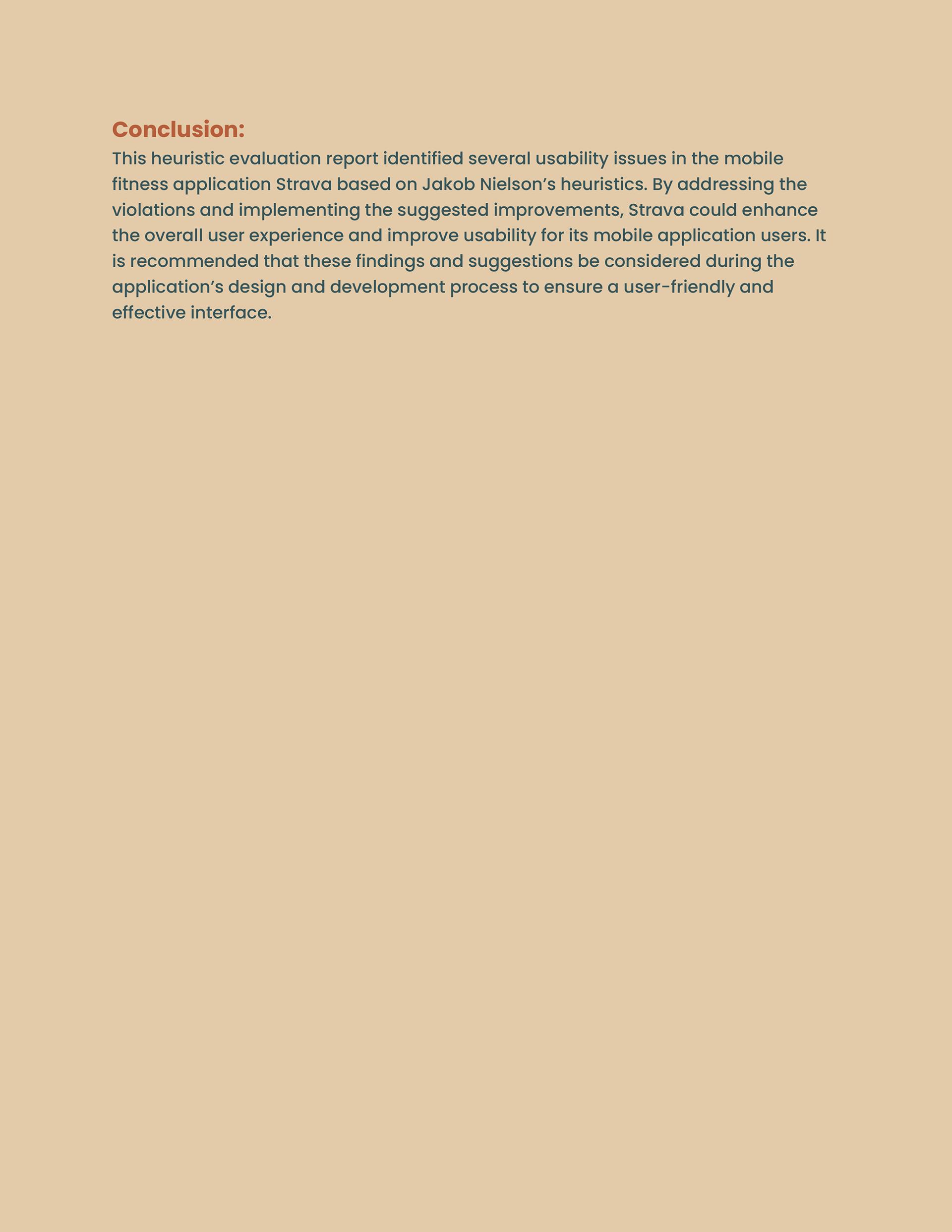
This heuristic evaluation assessed the Strava mobile application against Jakob Nielsen’s usability heuristics to identify interface issues and improvement opportunities. Core user flows—including activity tracking, social interaction, challenges, and profile management—were reviewed to uncover violations related to system visibility, efficiency, error prevention, and clarity, resulting in actionable recommendations to improve overall usability and user confidence.
Heuristic Evaluation Findings & Recommendations: Strava Mobile App
This work presents the findings of a heuristic evaluation of the Strava mobile application, assessed against Jakob Nielsen’s usability heuristics. Core user tasks—including activity tracking, social interaction, challenges, and profile management—were evaluated to identify usability issues related to system visibility, efficiency, error prevention, and visual clarity. The evaluation resulted in targeted recommendations aimed at improving usability, reducing user confusion, and strengthening overall interaction quality.
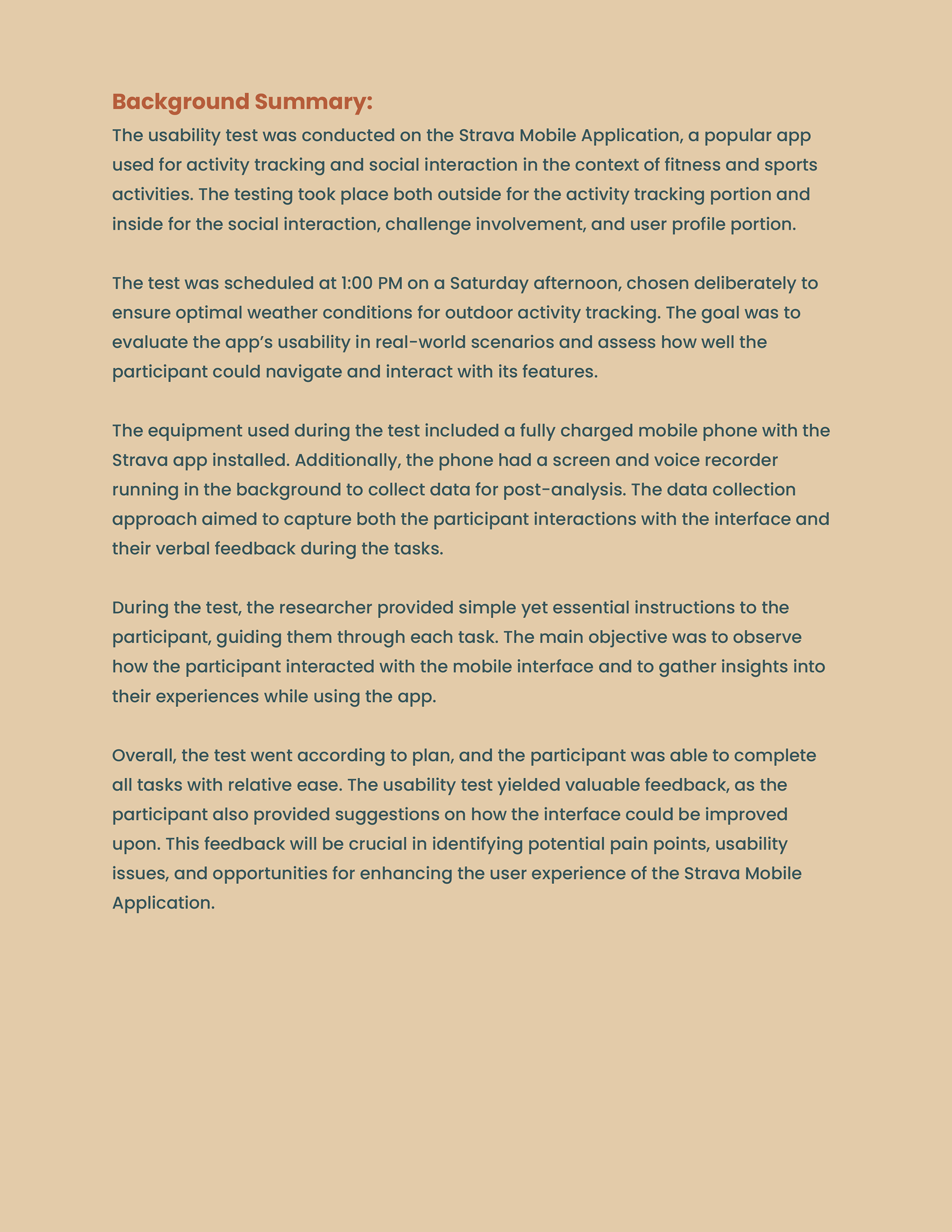
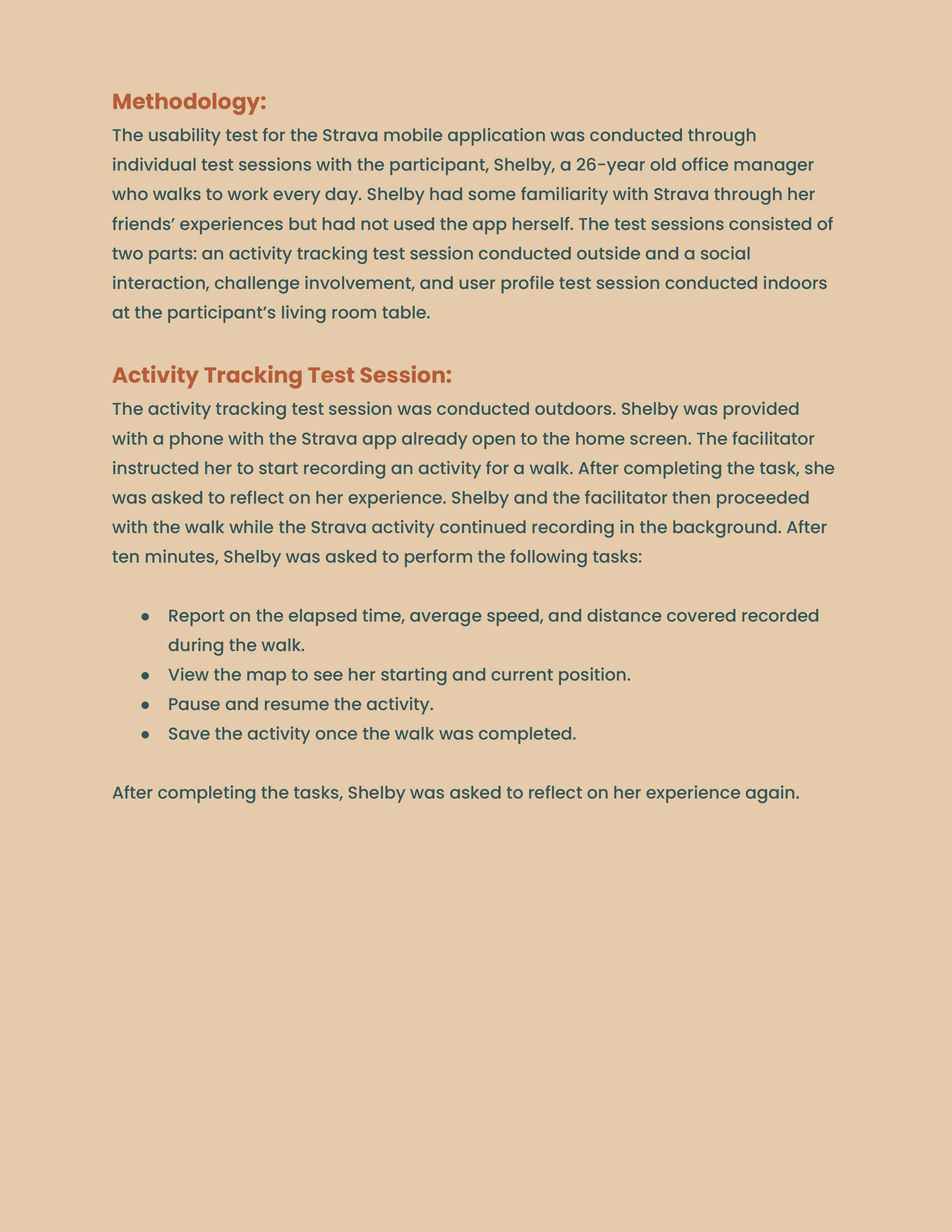
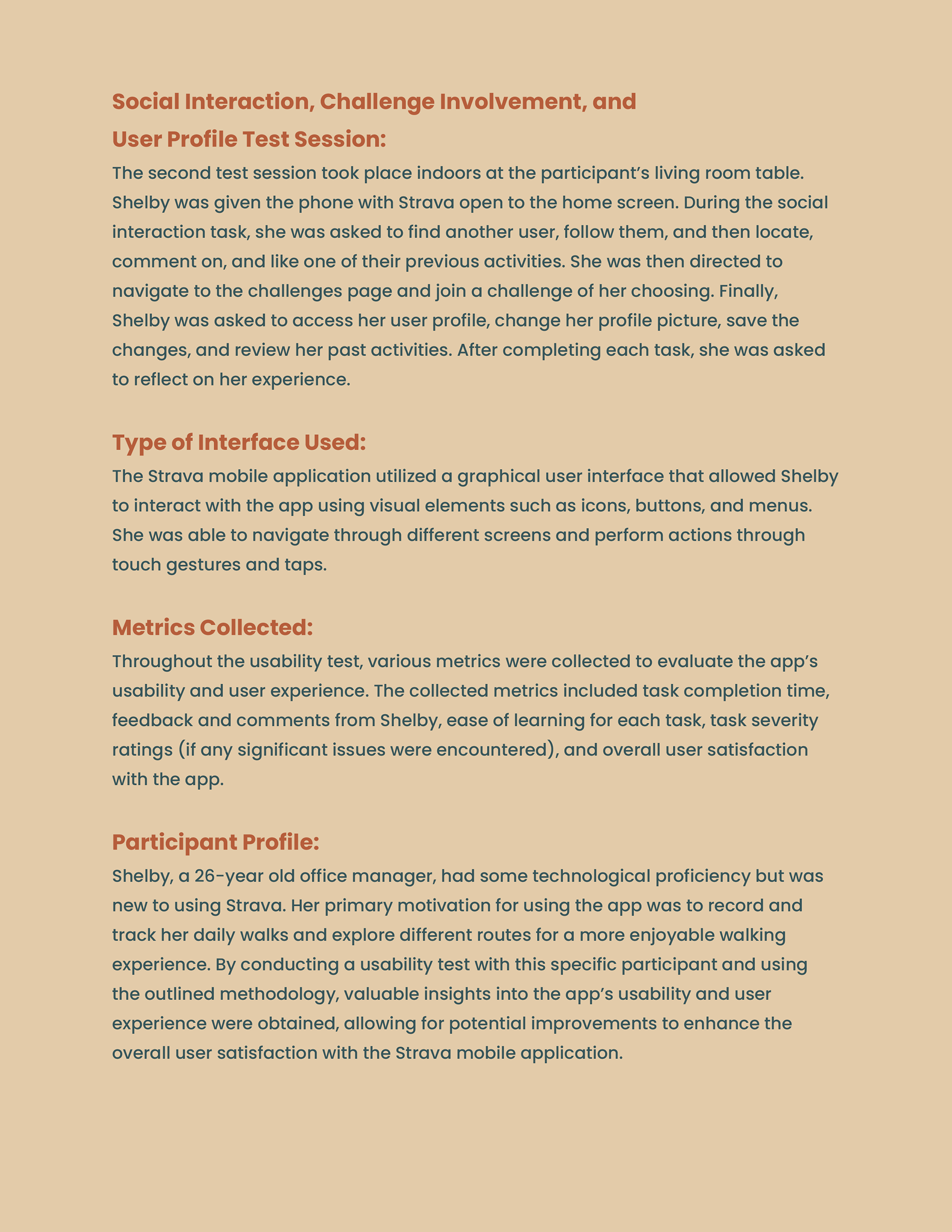
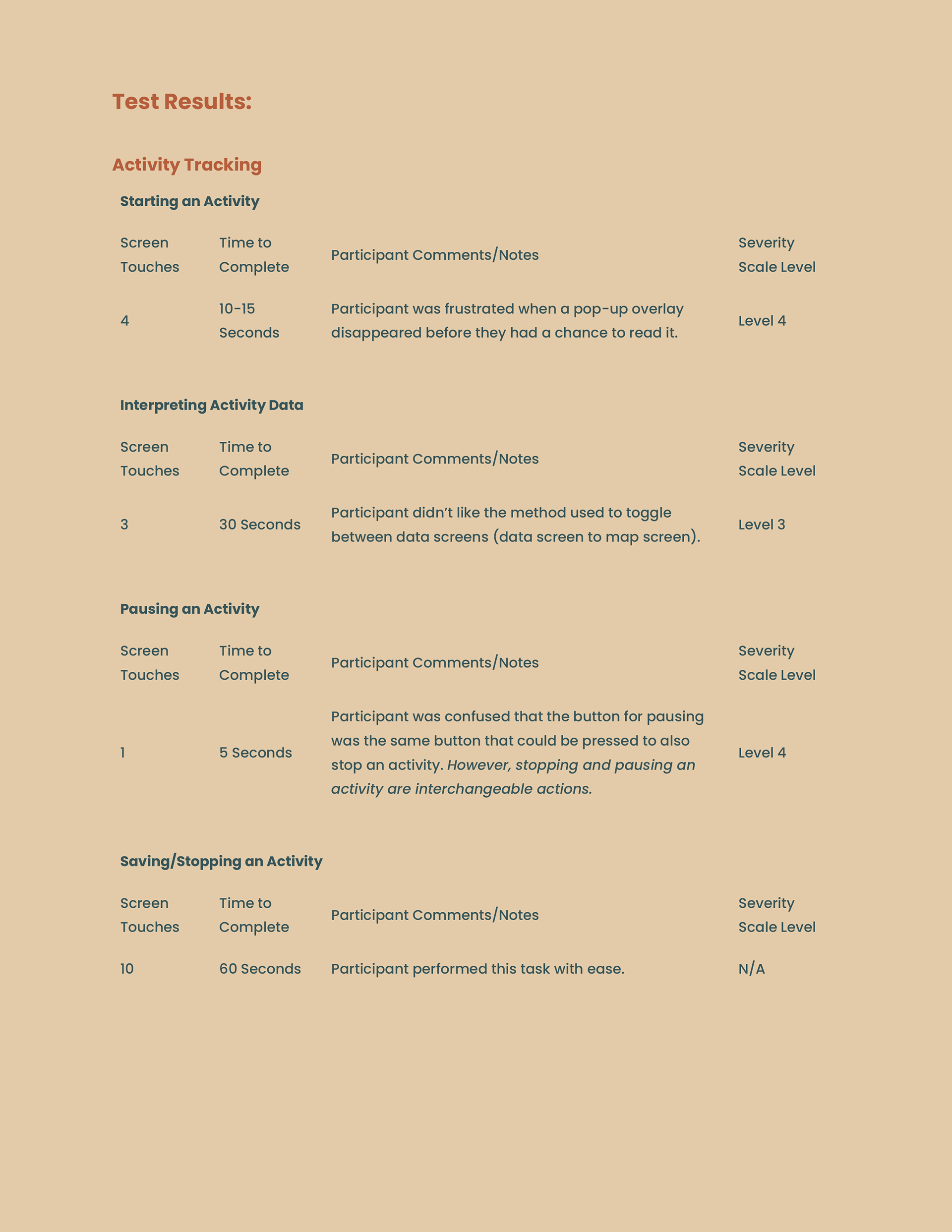
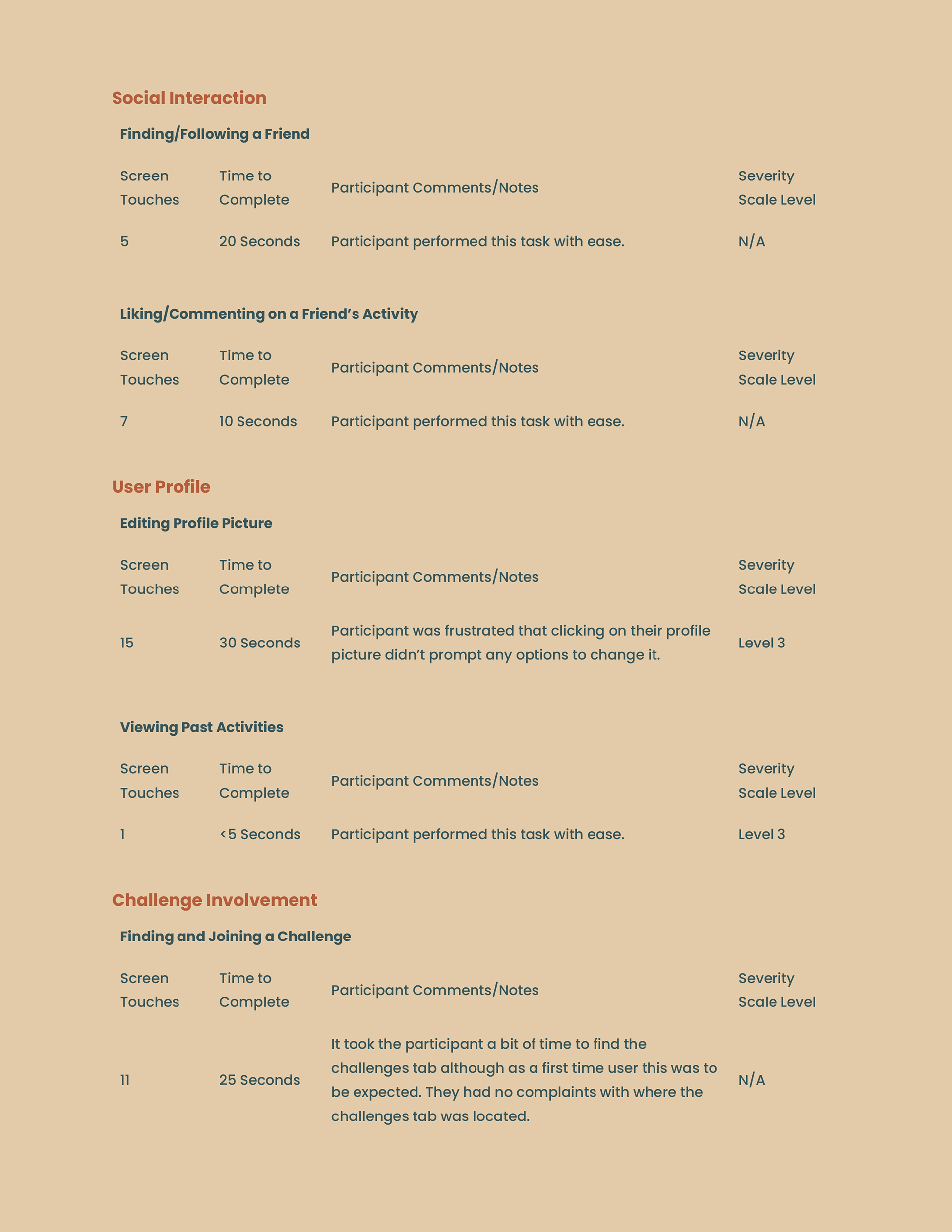
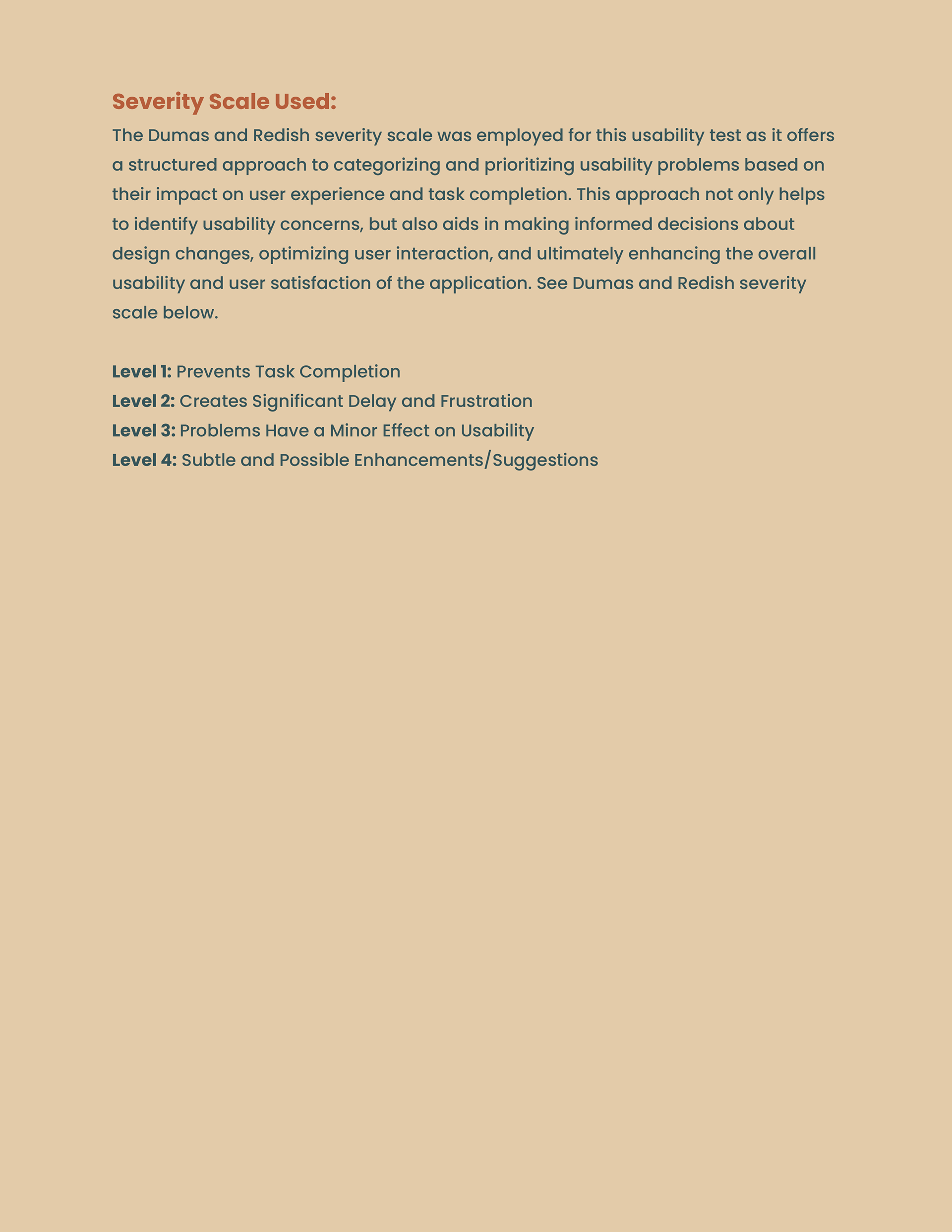
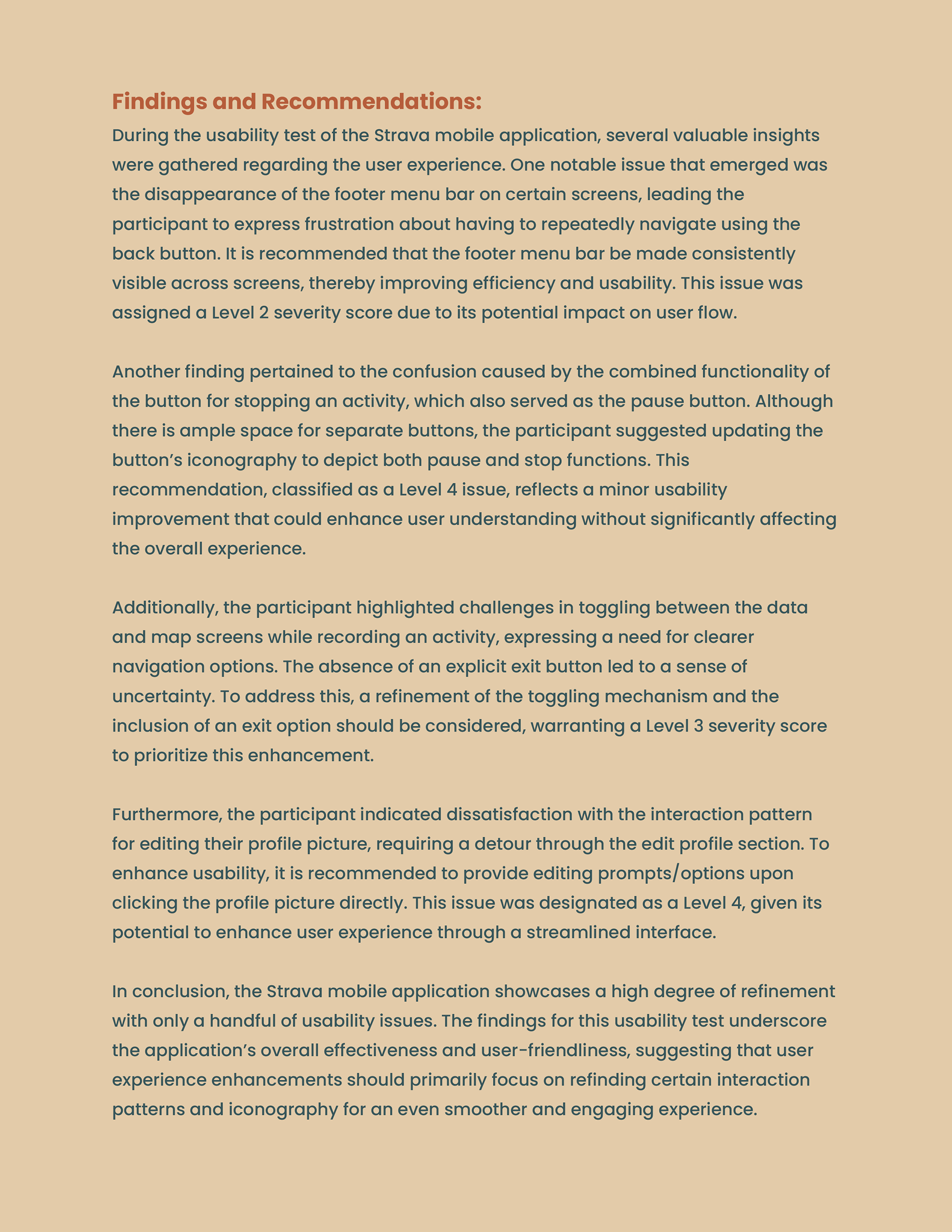
Usability Test Report: Strava Mobile Application
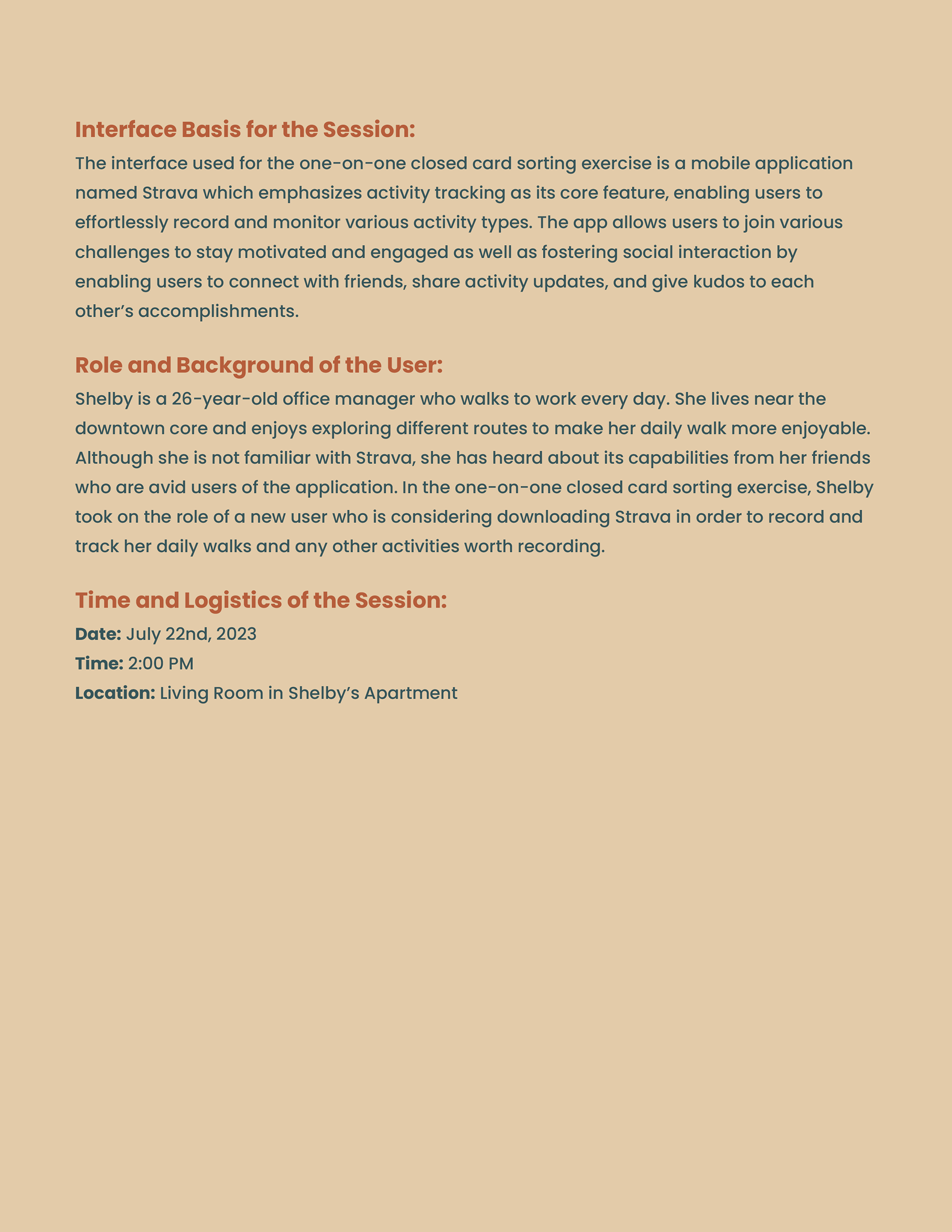
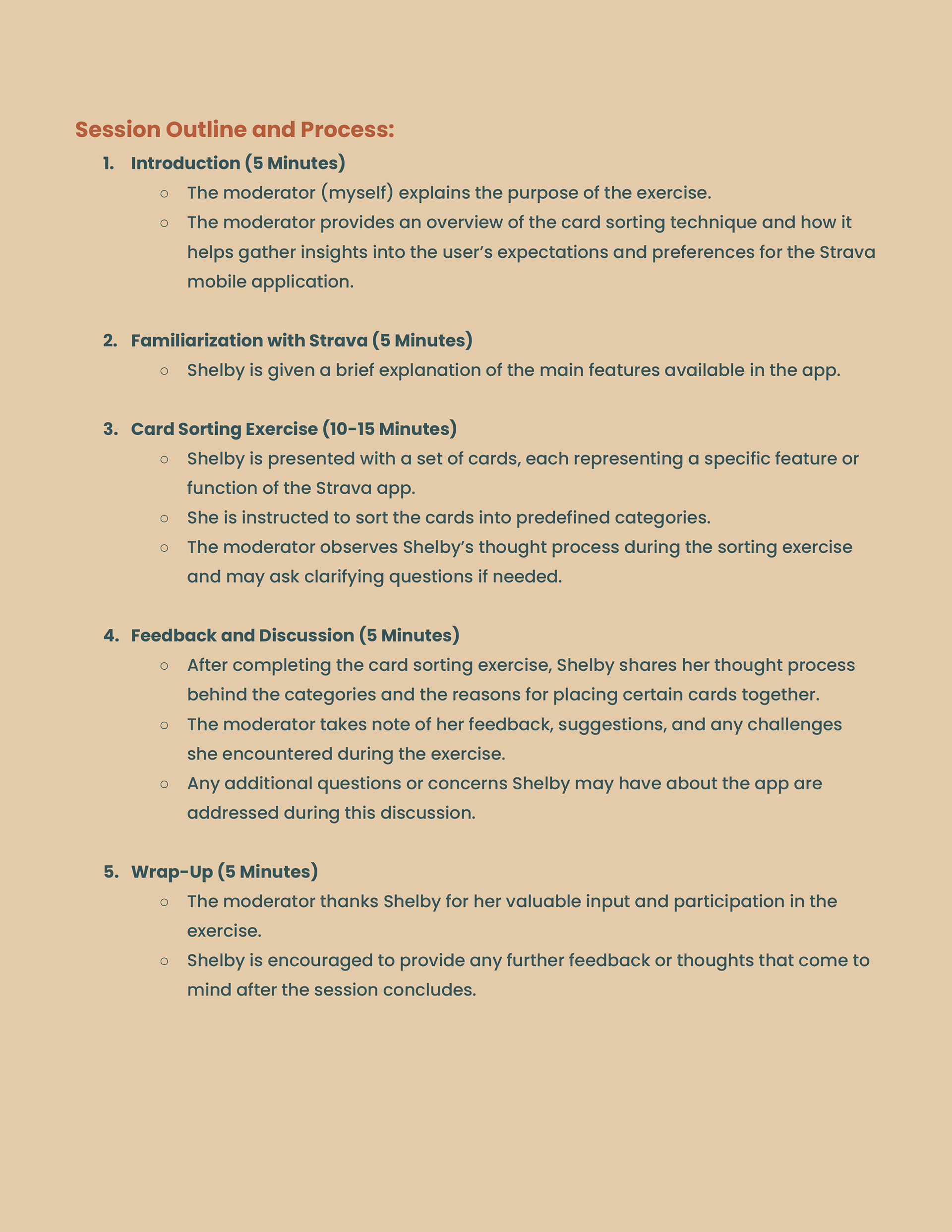
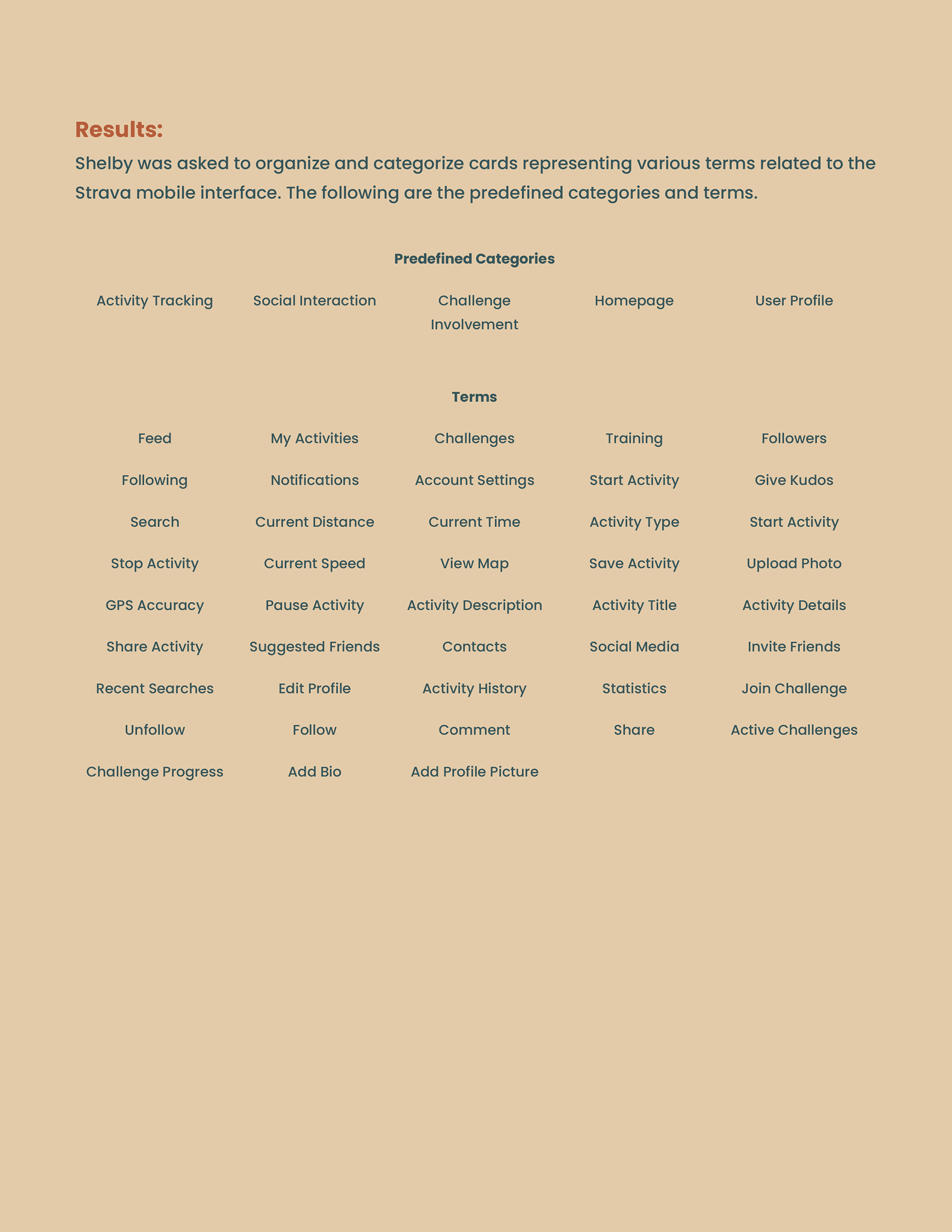
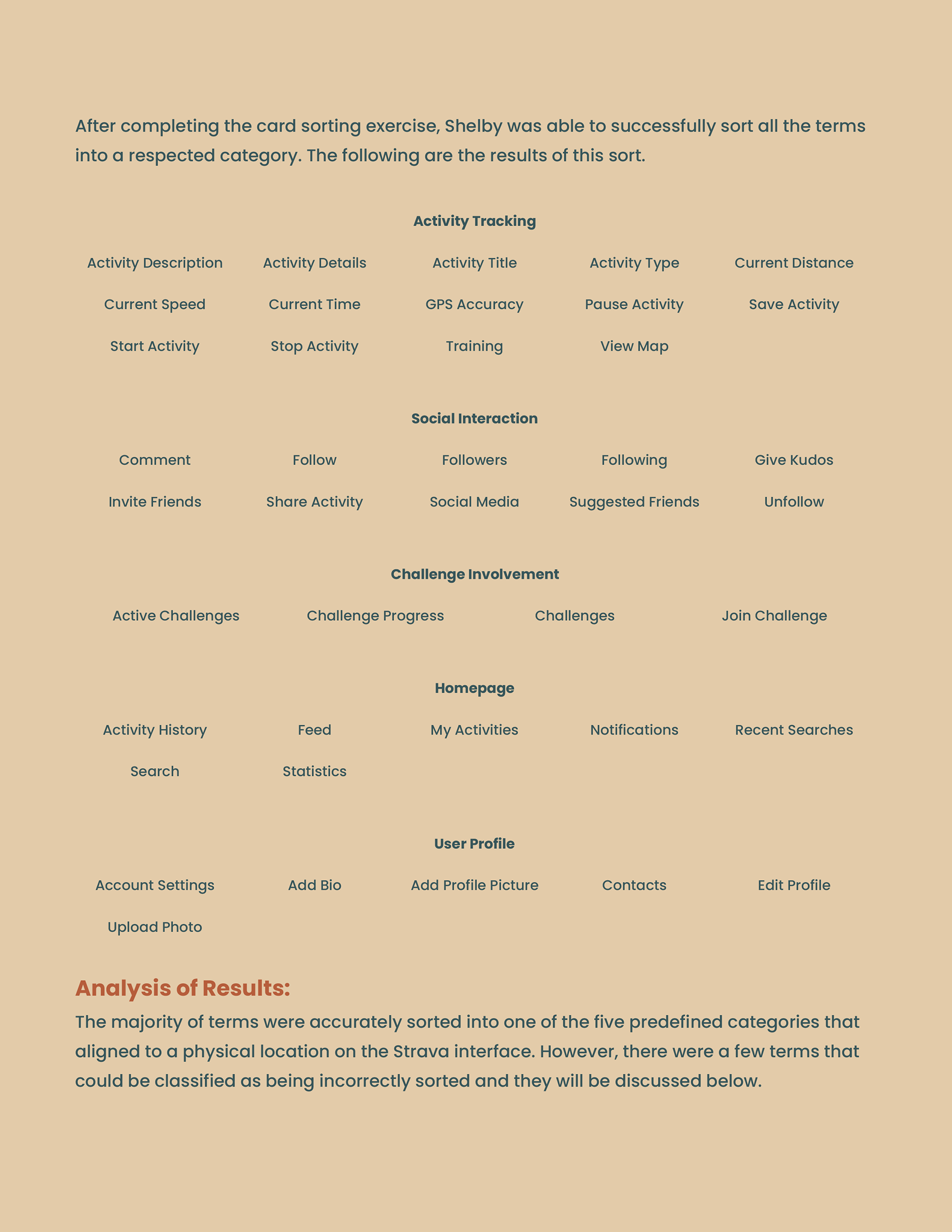
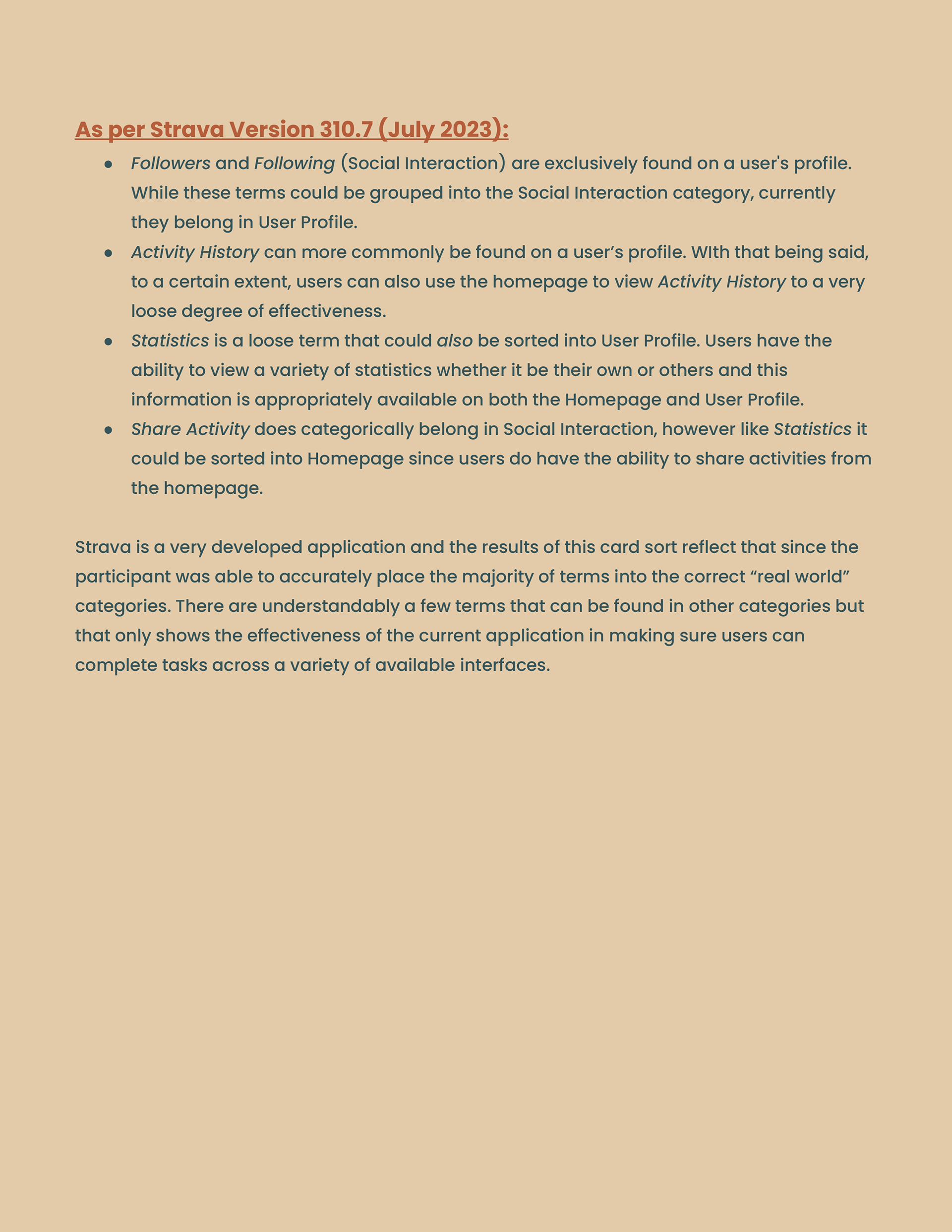
This usability test report documents the evaluation of the Strava mobile application through moderated, task-based testing in real-world and indoor environments. The study assessed core user flows—including activity tracking, social interaction, challenges, and profile management—using qualitative feedback, performance metrics, and severity ratings to identify usability issues and provide evidence-based recommendations for improving overall user experience.